
01
Structurally sound
A true solid plaster system, not a thin coating.
Finish 05 / 09
The structural substrate everything else depends on.
Overview
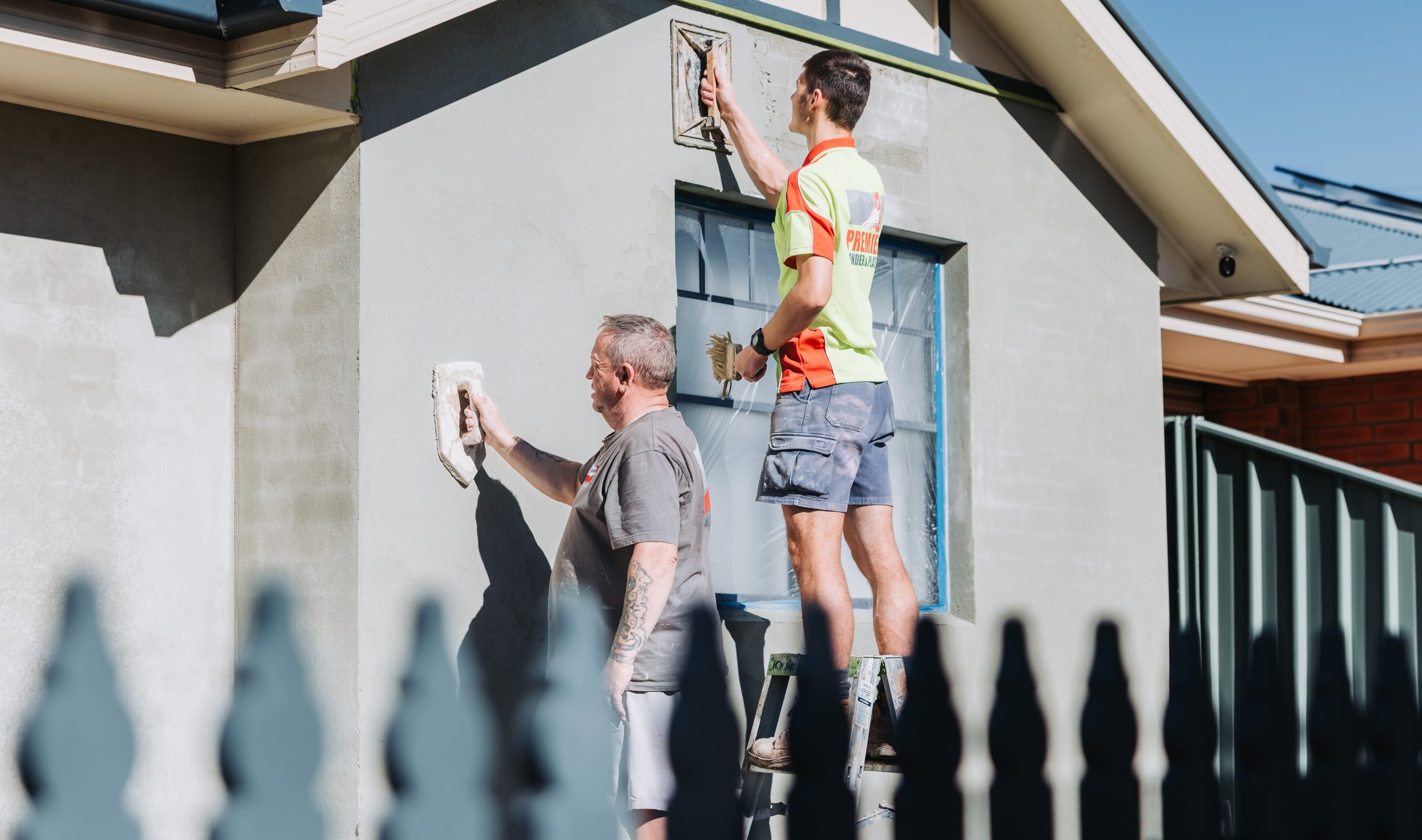
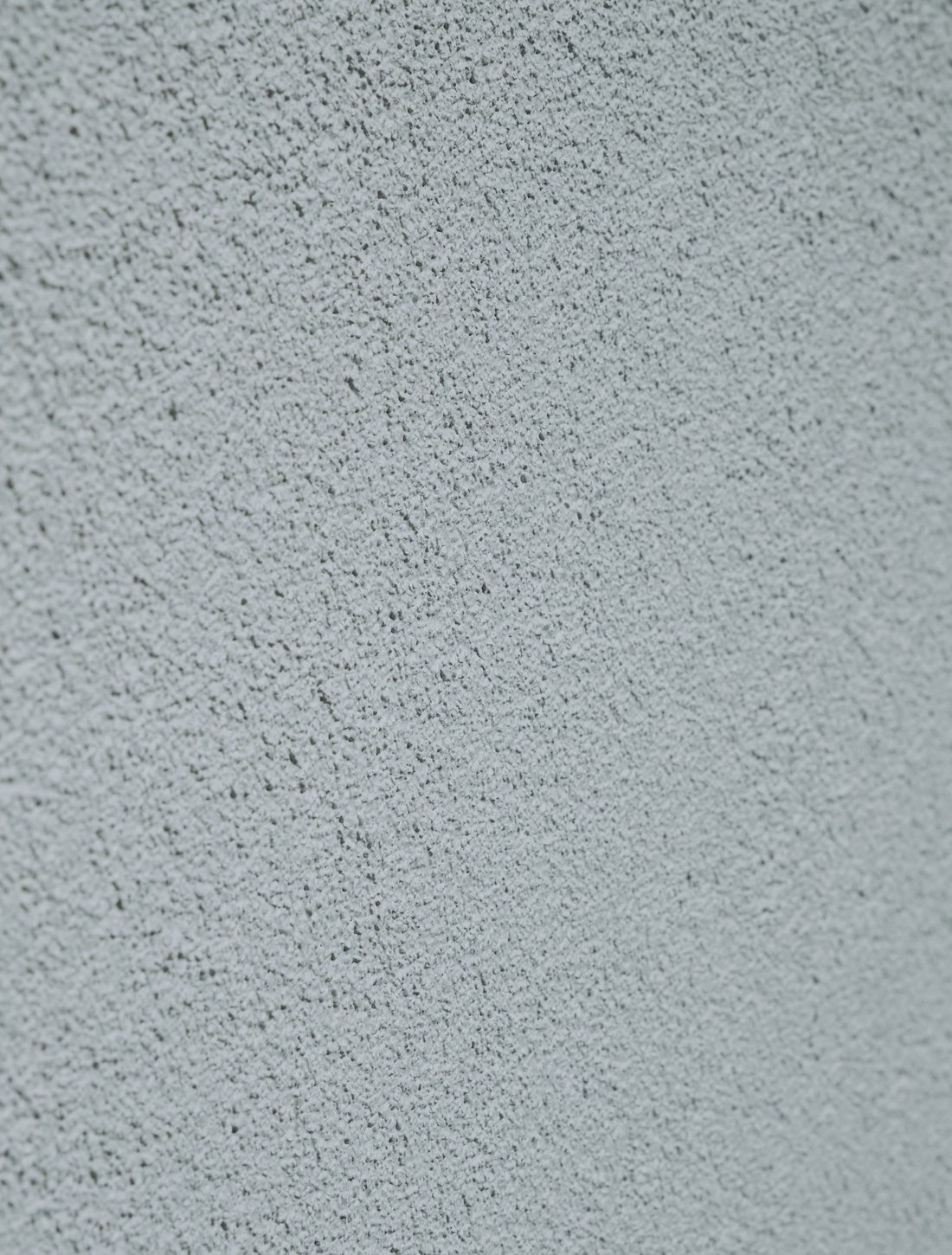
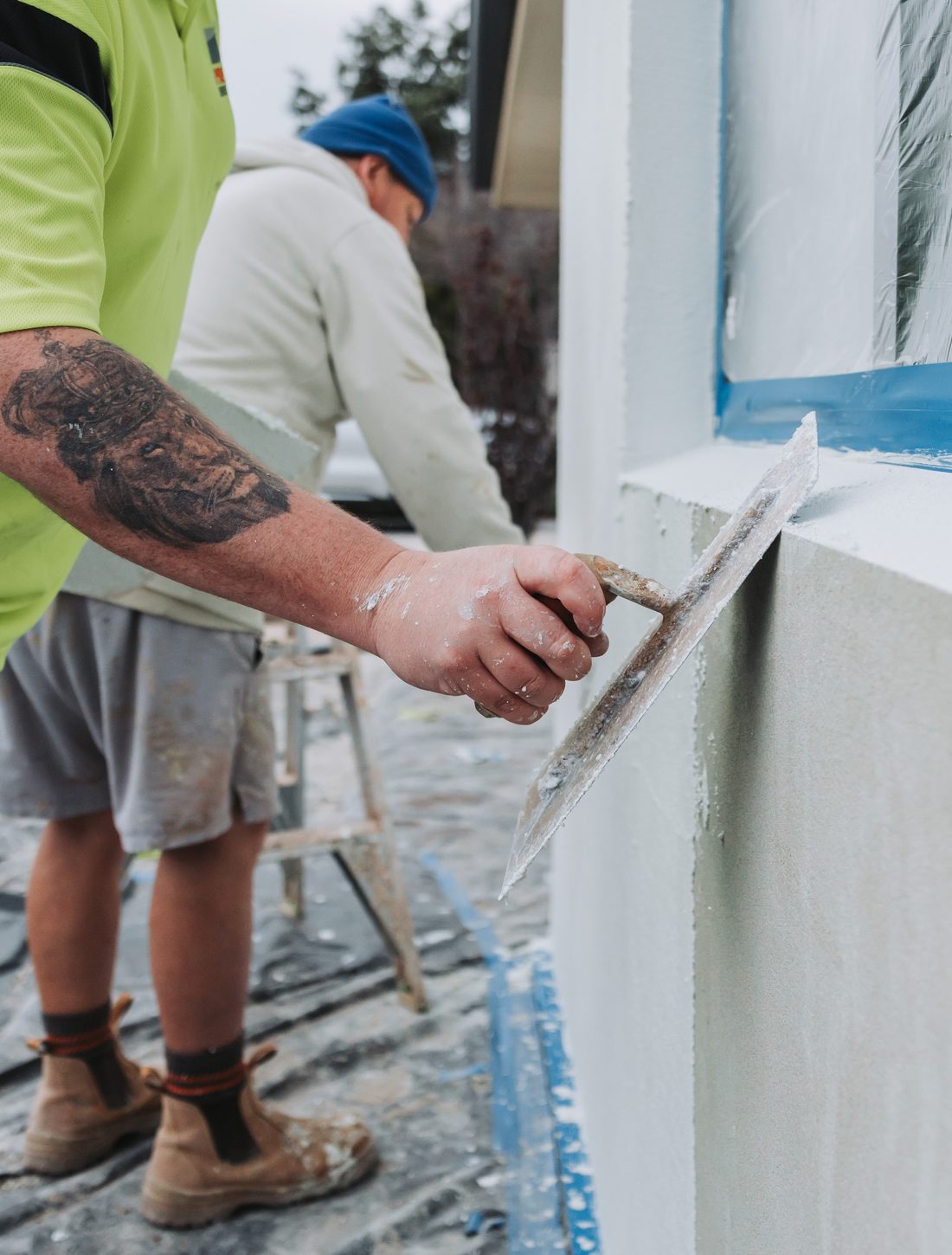
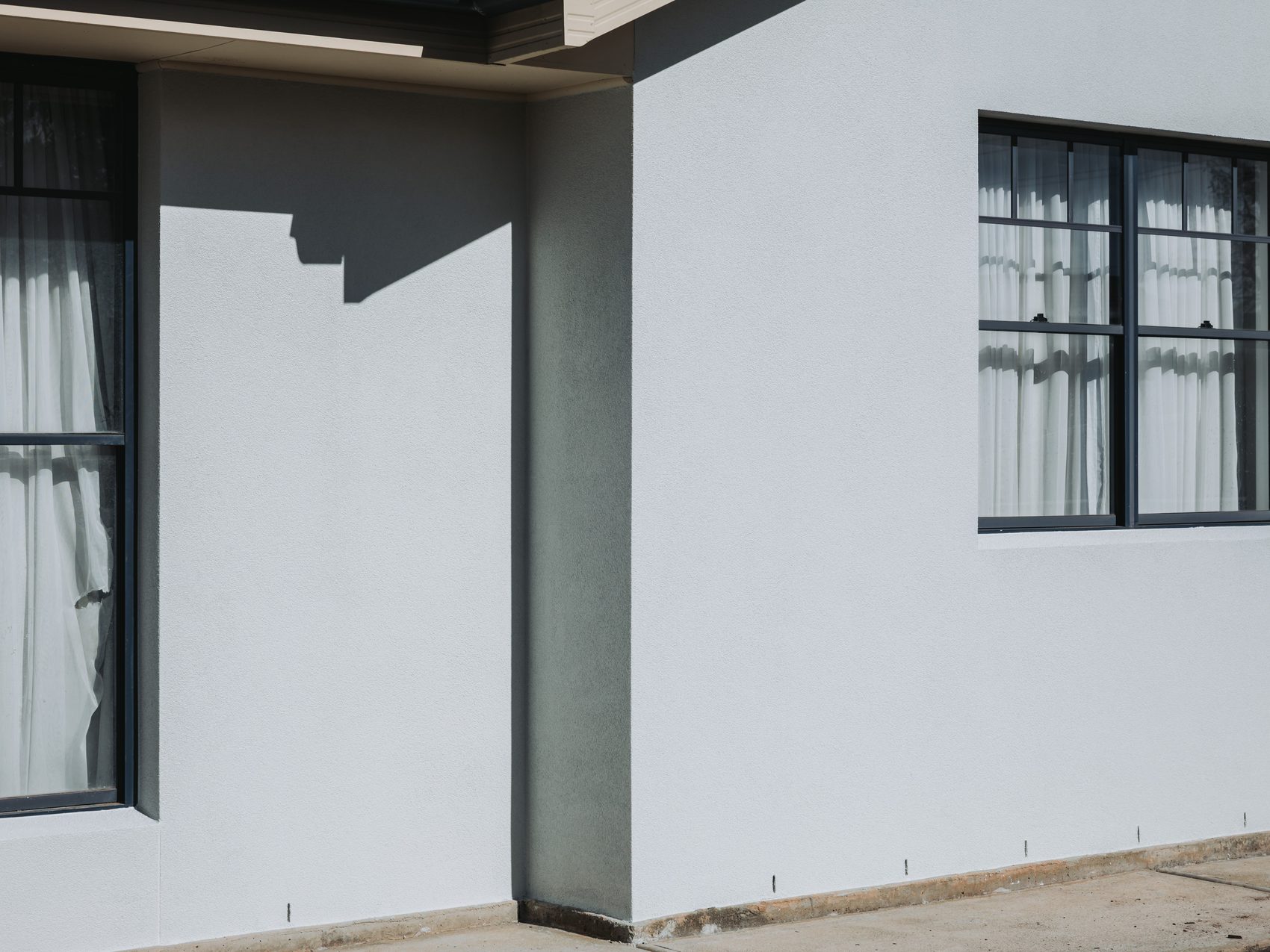
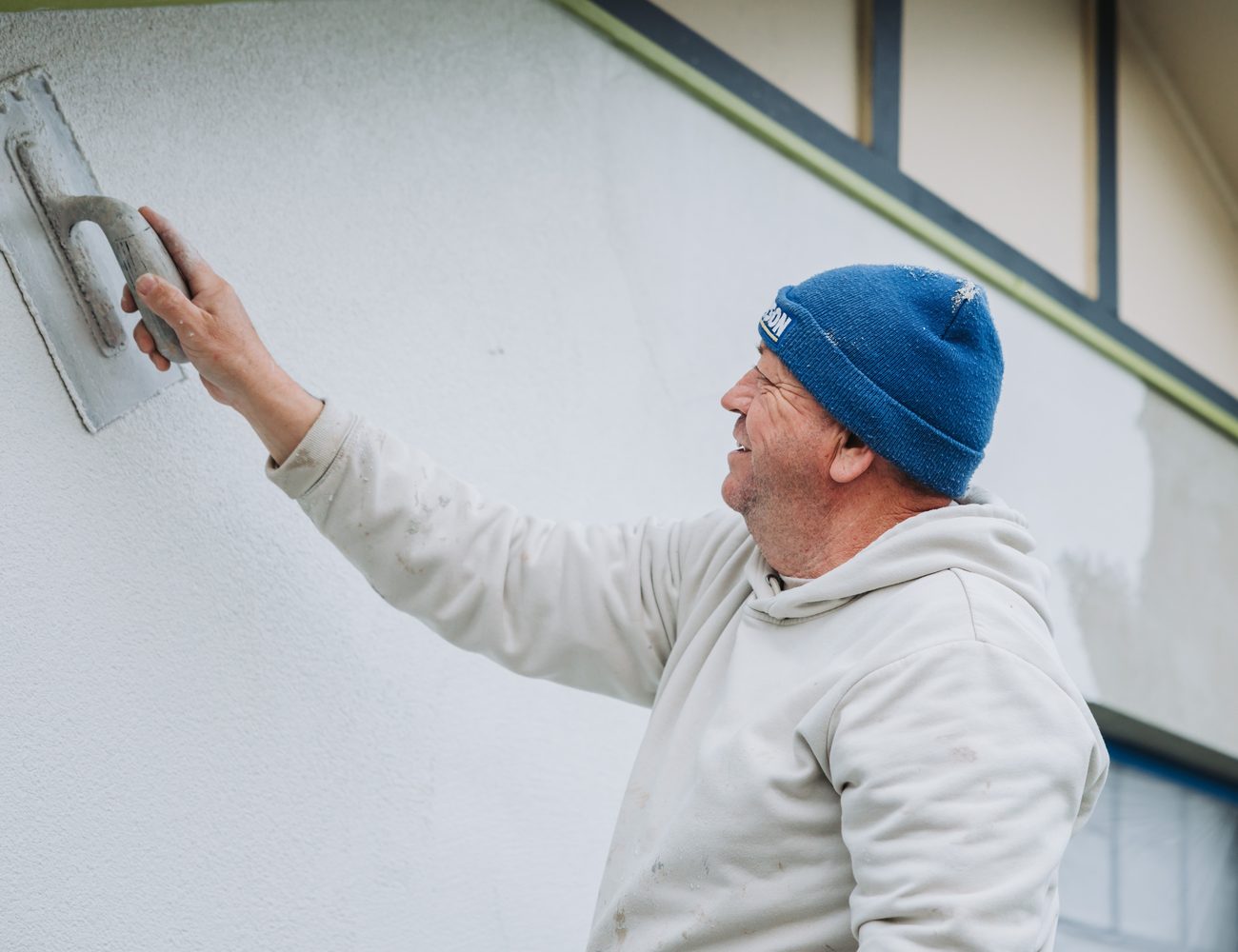
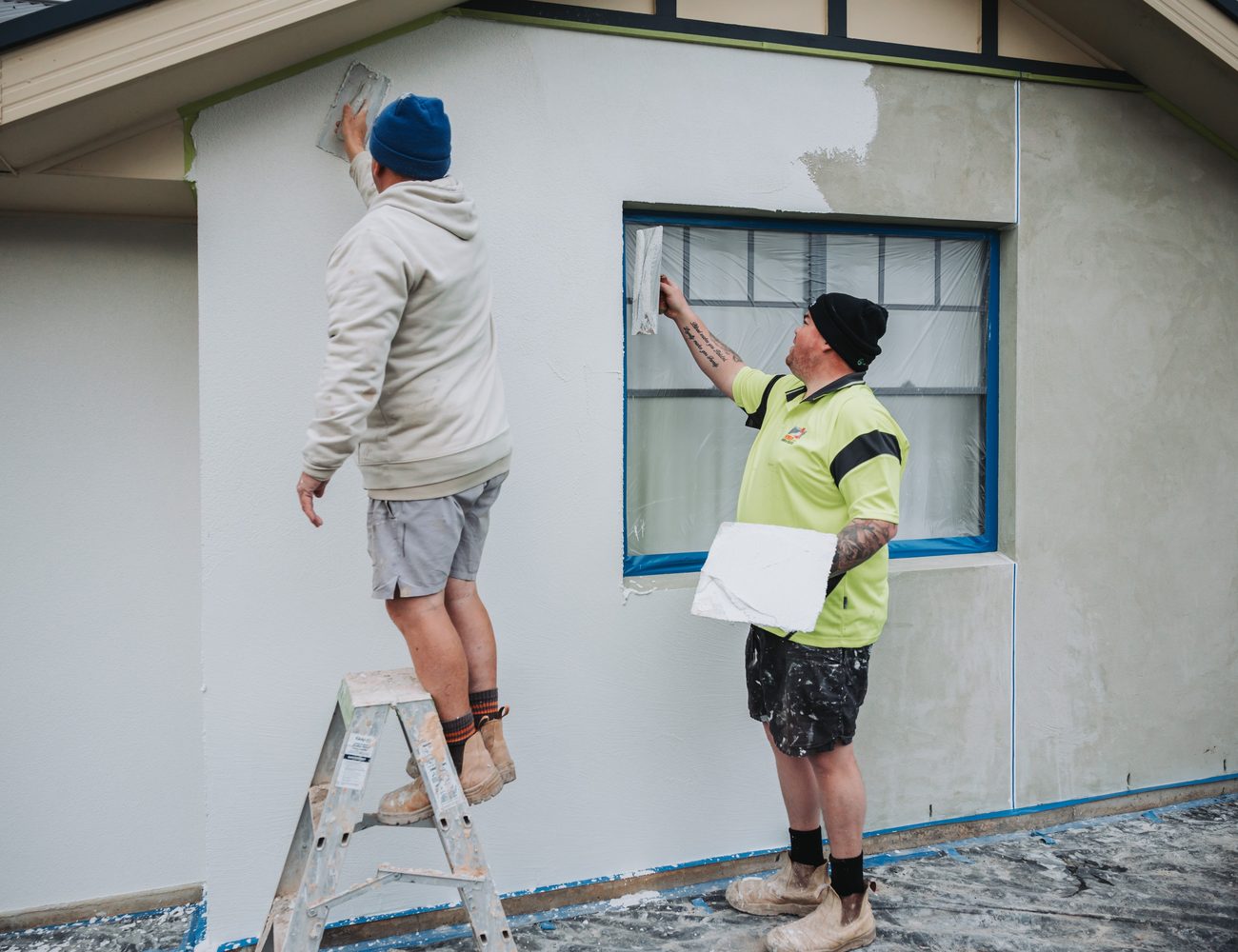
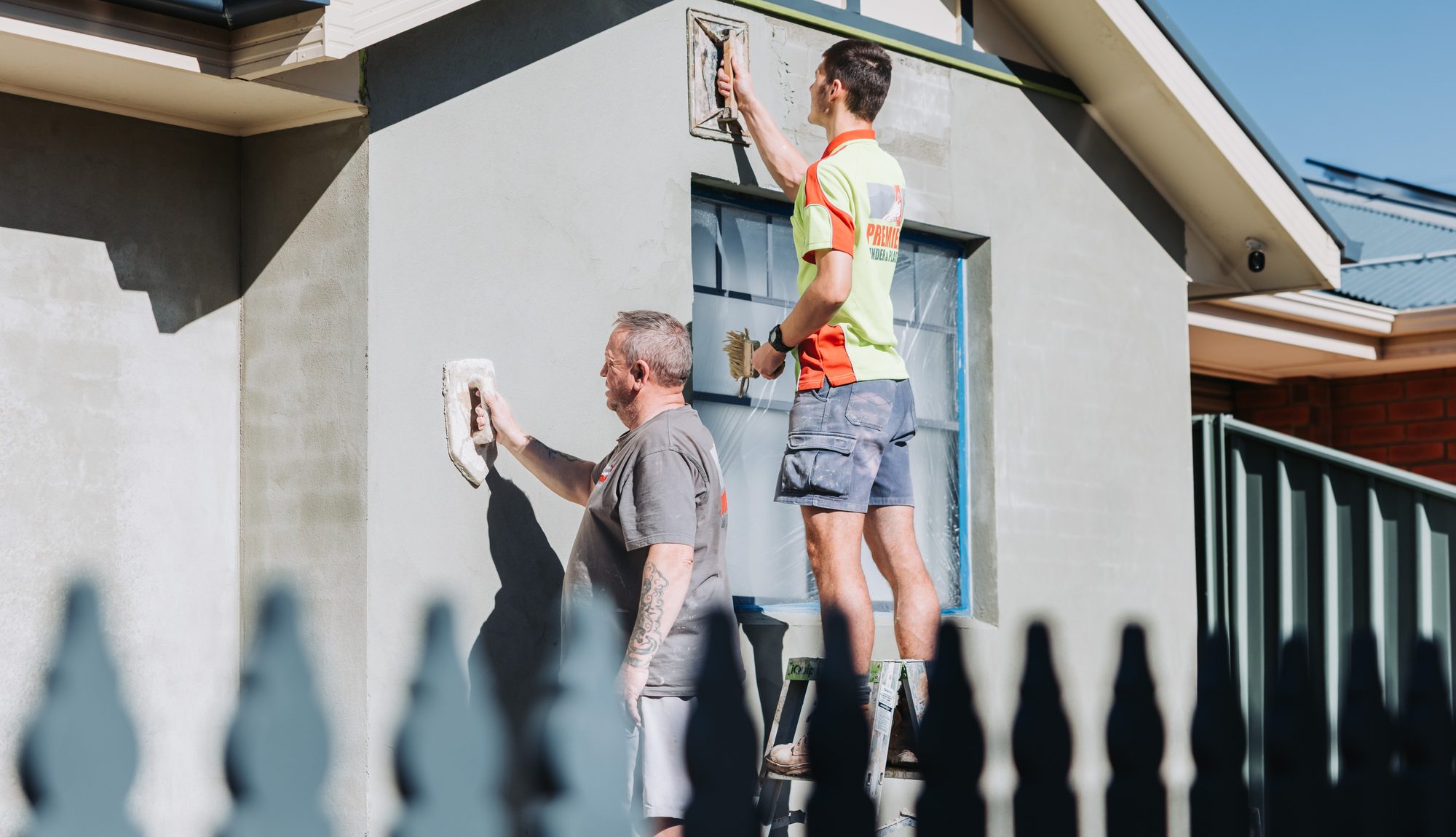
Sand and cement render is the traditional solid plastering system: a cementitious mix applied directly to brick, block or masonry, ruled off, and floated or steel-trowelled to the required finish. It is what a genuine solid plasterer is measured by.
It is also the foundation for almost everything else we do. A polished Venetian or an acrylic texture coat is only ever as flat, as sound and as long-lived as the render beneath it. Correct mix ratios, proper suction control, accurate rules and screeds, and adequate curing time are what separate a wall that lasts forty years from one that maps and cracks in two.
Why specify it
A true solid plaster system, not a thin coating.
Ratios adjusted to substrate suction and exposure, not batched the same on every site.
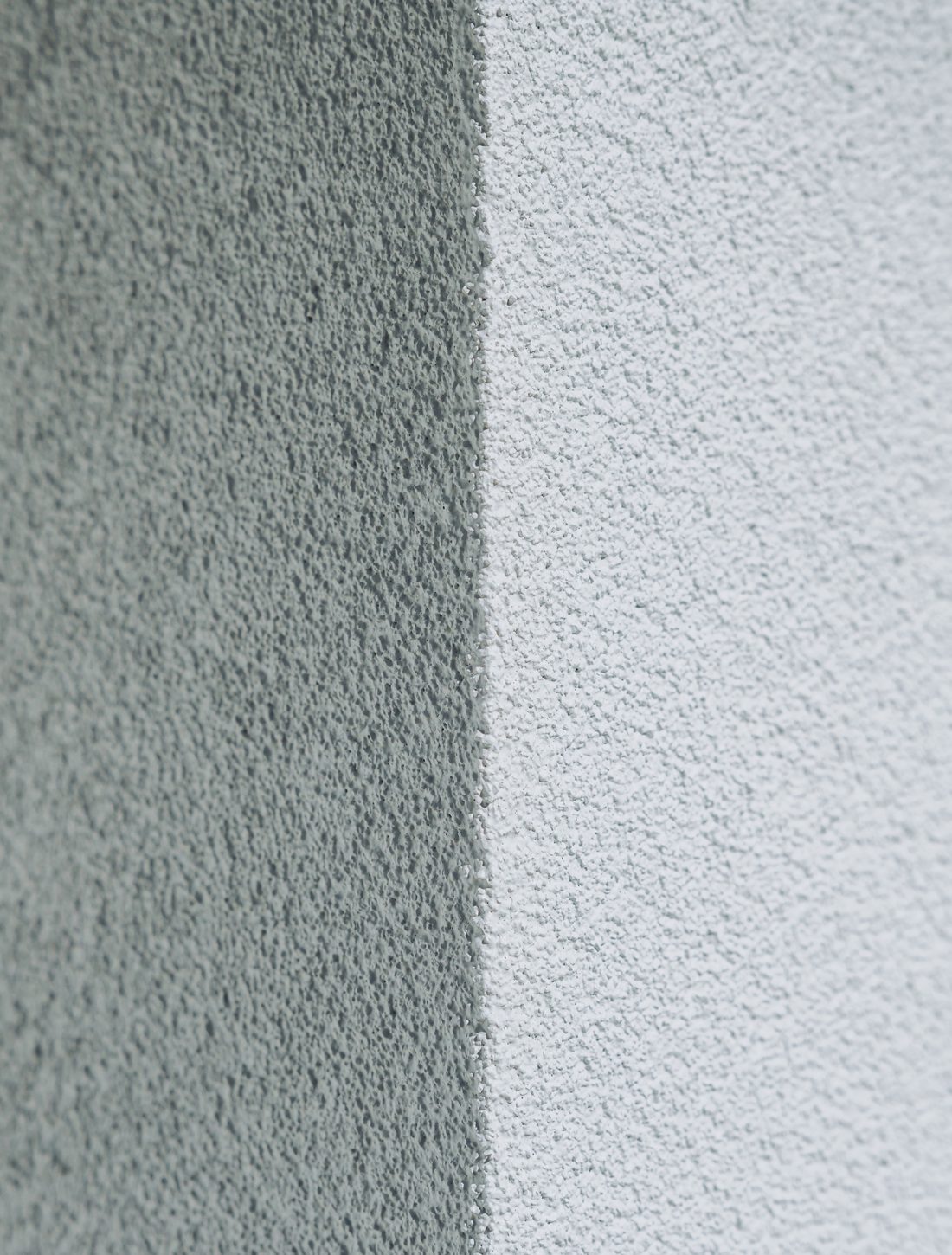
From an open float finish through to a dead-flat steel trowel ready for decorative work.
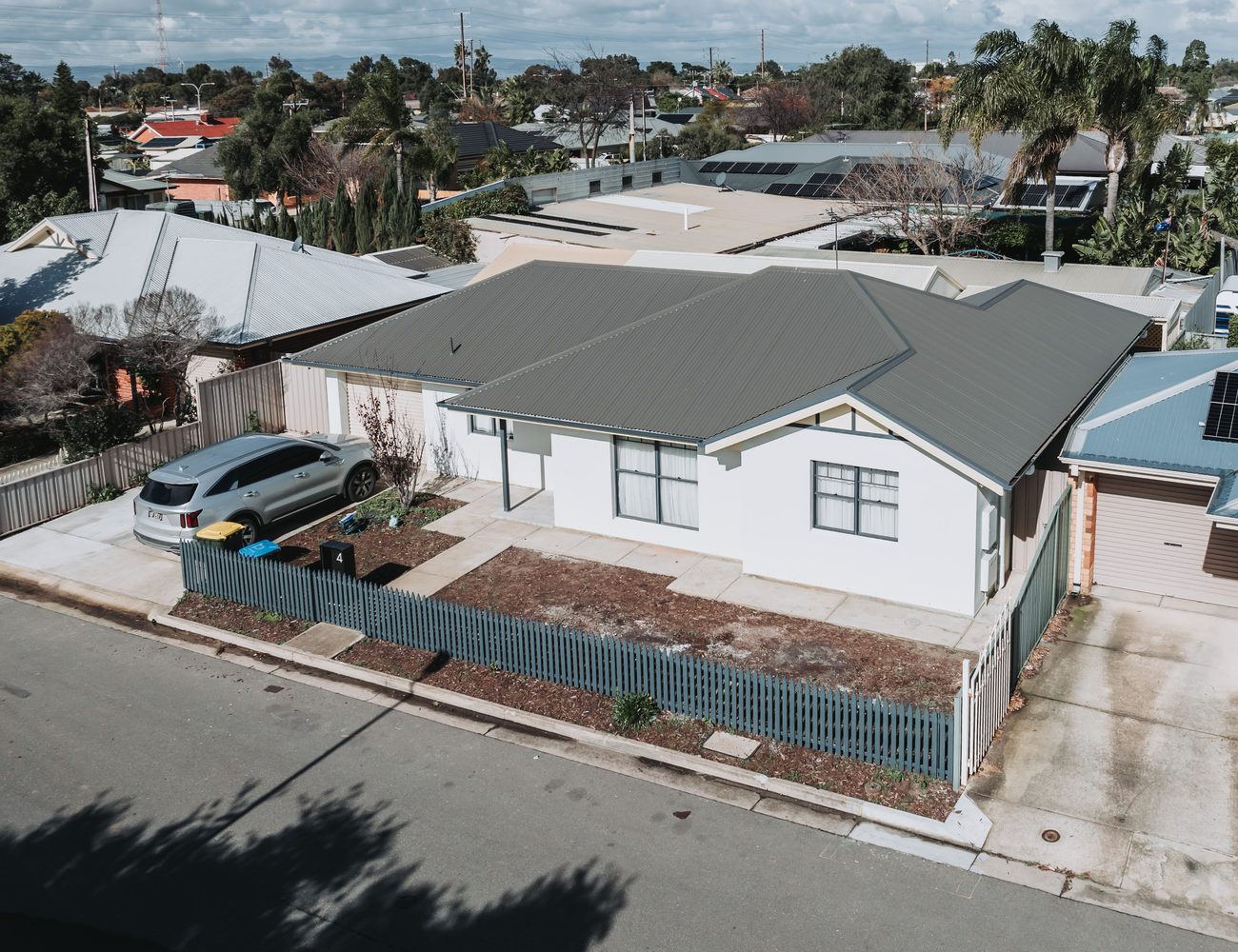
Durable external performance in South Australian conditions.
The flattest, most stable substrate for Venetian and texture systems.
Correctly mixed, applied and cured, render outlasts the coatings on top of it.
Where it works
Suited to the spaces below. If yours is not listed, ask — the answer is usually yes, with the right substrate preparation.
Our specialist process
Decorative work fails at the preparation stage far more often than at the finish stage. This is how we make sure it does not.
Confirming the system, the sample, the sheen and where the finish starts and stops.
Moisture, movement, flatness and porosity resolved before any finish coat is considered.
Hand application in thin successive coats, to the approved sample, under controlled conditions.
Terminations, protection removal, joint inspection under working light, and care guidance.
Project gallery
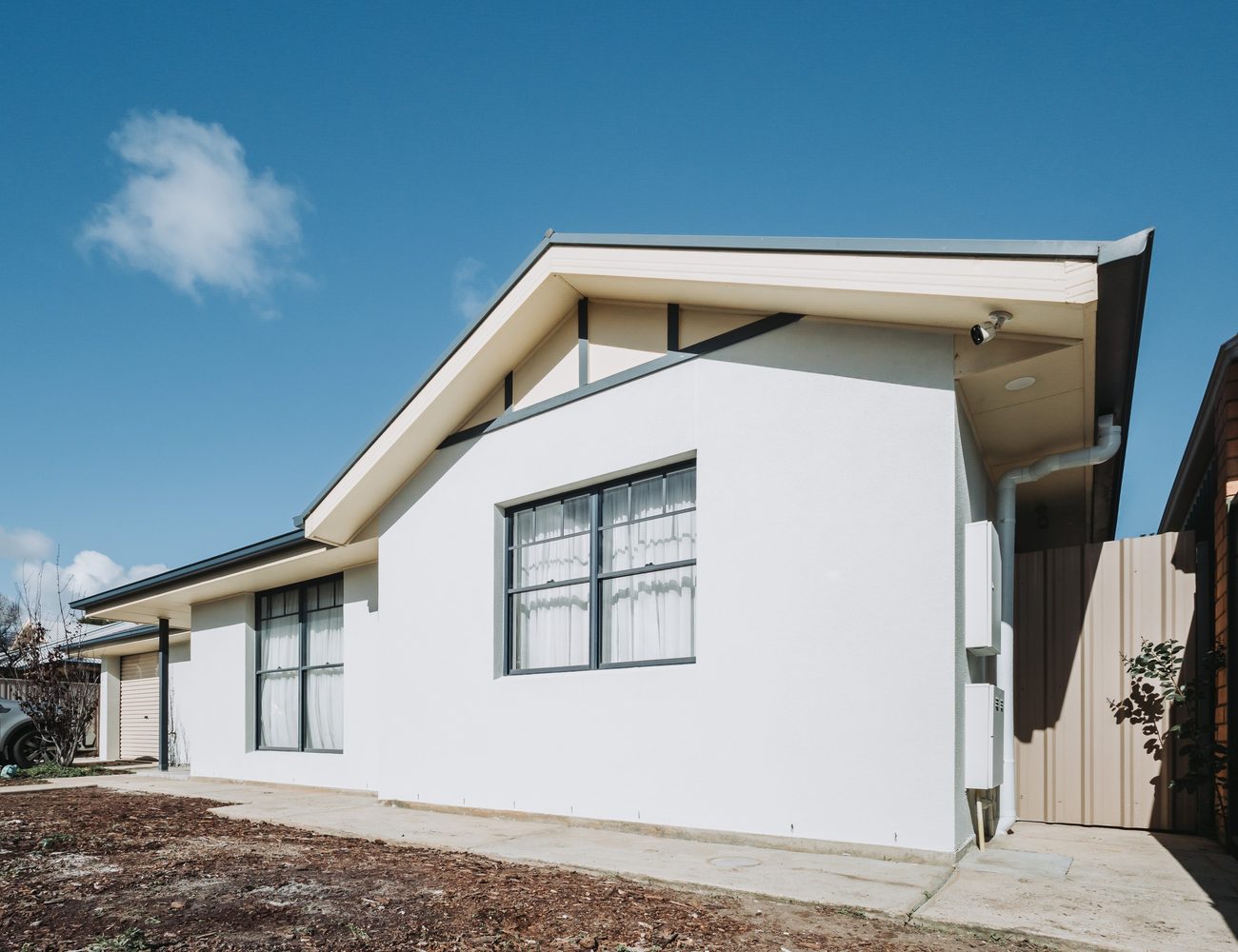
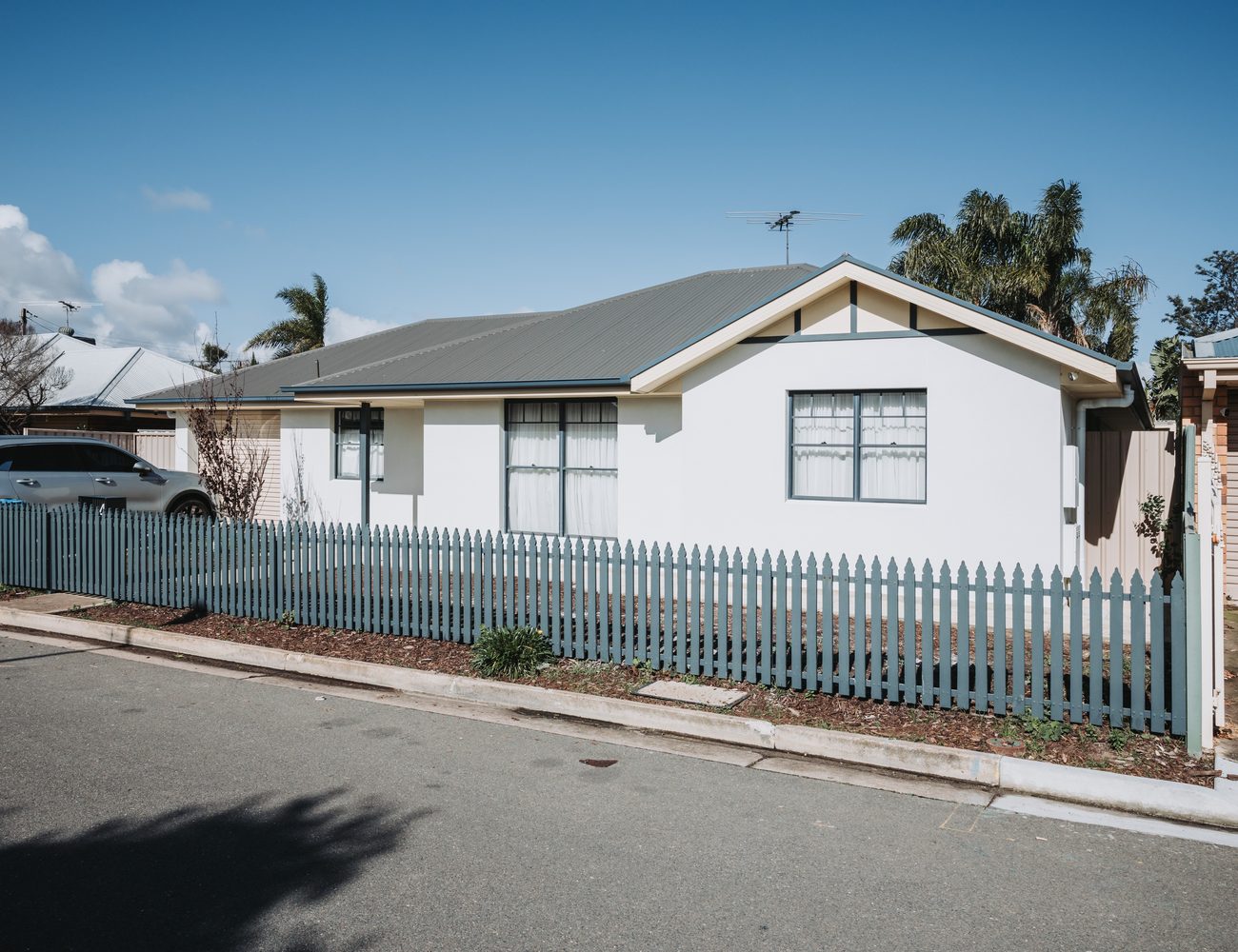
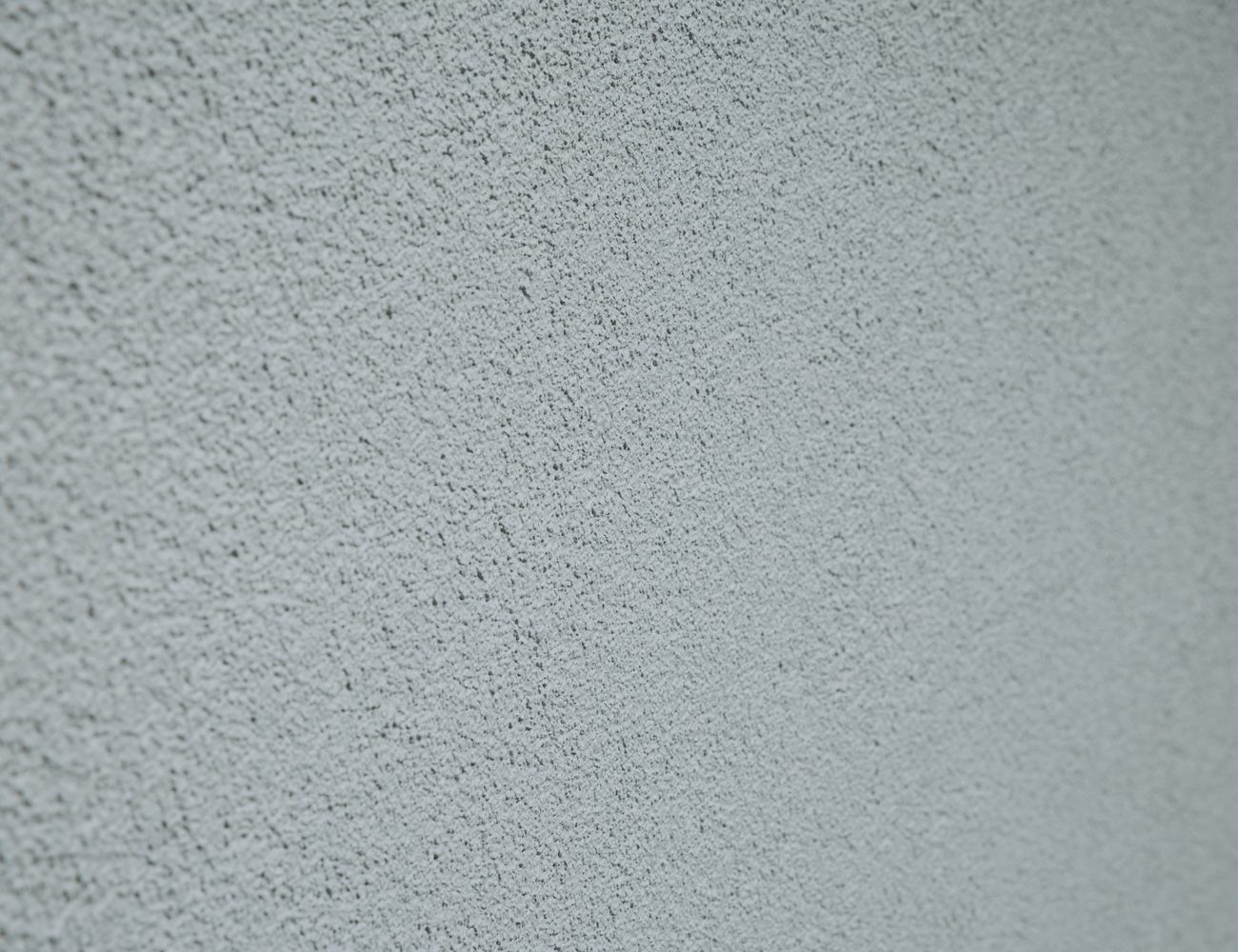
For architects & builders
The details worth writing into a spec. We are happy to review documentation before tender and provide system data for submission.
Talk to us about a specFAQ
Most cracking is either substrate movement, mixing different substrates in one plane without reinforcement, missing control joints, or a render that dried too fast rather than cured. All four are controllable, and all four come down to the tradesperson rather than the material.
Twenty-eight days is the standard cure for a cementitious render before applying coatings. Applying too early traps moisture and alkalinity behind the finish, which is a very expensive lesson.
Not directly onto sound paint — cement render needs a mechanical key. We either remove the coating, or apply a proprietary bonding slurry or mesh system designed for the condition. We will assess it on site and tell you honestly which it needs.
Start a project
Free consultation, site inspection and sample boards in your chosen colour and sheen.